
Liquid calories are the easiest to miss
Soda, sweetened coffee drinks, juice, and alcohol don't register as "food" the way a plate does, so they're the easiest place a reduction plan leaks calories without you noticing. A large sweetened coffee can carry as many calories as a meal, and it won't fill you up the way that meal would have.
"Diet" and "low-fat" labels aren't a free pass
Cutting fat from a packaged product usually means adding sugar back in to keep the taste, so a low-fat cookie can land close to the regular version in calories once you read the label past the front claim. The front-of-pack word is marketing; the nutrition panel on the back is the actual answer.
Fried and heavily processed snacks
Chips, fried snacks, and pastries pack calories into a small volume — a handful disappears fast and doesn't leave you satisfied, so it's easy to eat a second and third handful chasing the fullness the first one should have given you. Whole foods with more fibre and water content fill you up on fewer calories for the same volume.
The trap of "healthy" snacking without a plan
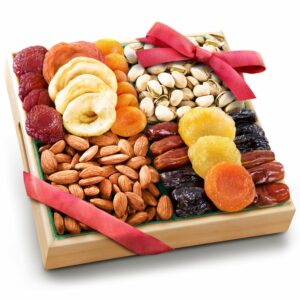
Nuts, dried fruit, and granola are genuinely useful in a reduction plan, but only in a measured portion — eaten straight from the bag, their calorie density adds up fast. A few pitted dates, weighed out ahead of time rather than eaten from an open box, work the same way: real food, but a portion that fits the plan instead of one that quietly blows past it.
Skipping meals to "save calories"
Skip a meal and the next one usually gets bigger, not smaller, because hunger doesn't wait patiently. A reduction plan that includes regular meals and a planned snack holds up better over a week than one built around gaps you're hoping willpower will cover. For where to buy quality dates for portioned snacking, see our home page, or get in touch through our Contact Us page.